Common Causes of Roof Leaks in Florida Homes
Most roof leaks in Florida homes trace back to a handful of failure points rather than the shingles themselves. The usual culprits are deteriorated flashing around chimneys, skylights, and walls; cracked or curled shingles worn down by intense UV and heat; dried-out pipe boots around vent stacks; debris-clogged valleys that force water sideways; failed sealant at penetrations; and ponding water on flat sections. Florida's daily sun, wind-driven rain, and humidity accelerate every one of these. Catching the source early keeps a small drip from turning into soaked insulation, stained ceilings, and rotted decking.
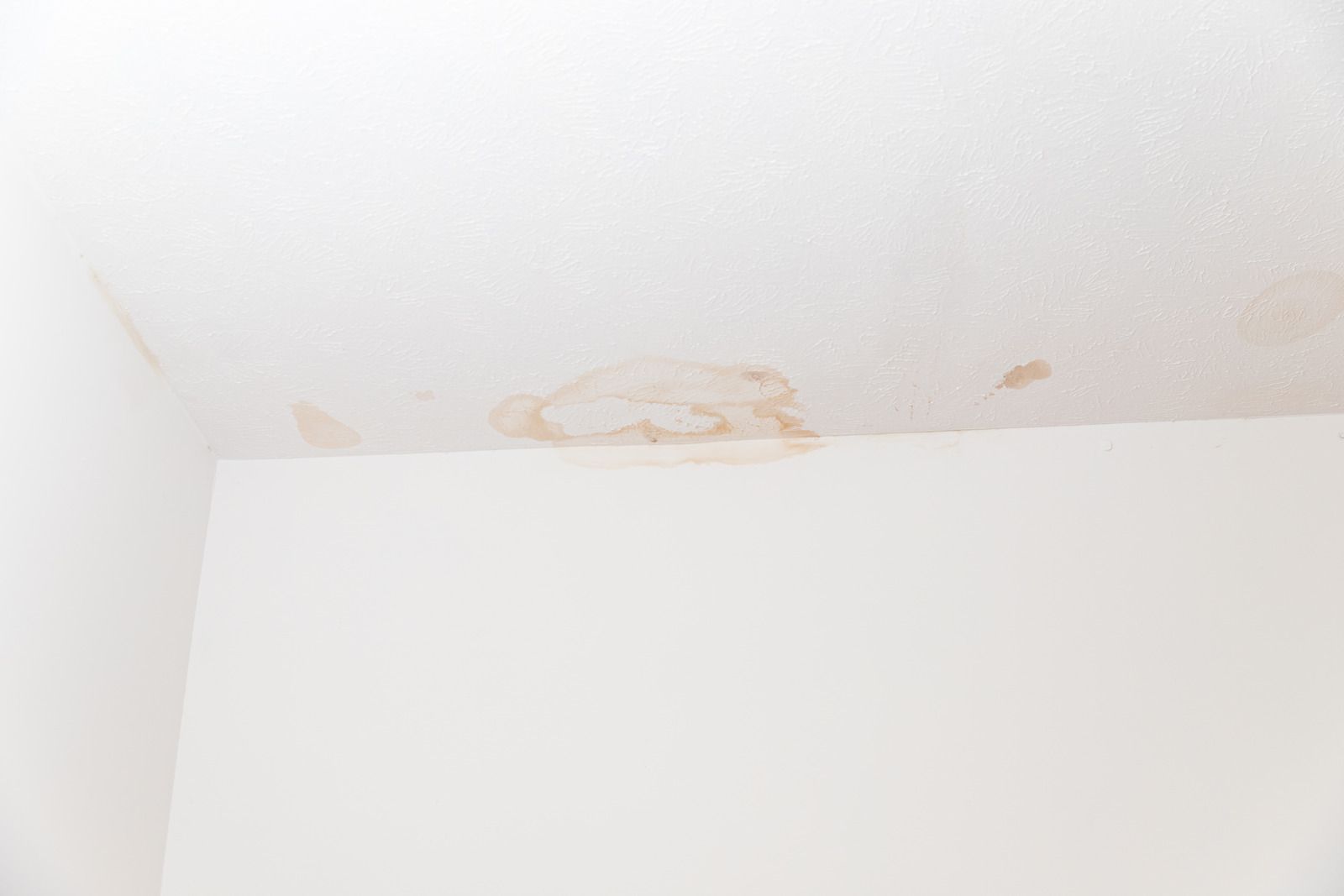
A brown ring on the ceiling. A musty smell in a closet after an afternoon storm. A drip that only shows up when the rain blows in from a certain direction. If you own a home in Central Florida, you have probably noticed at least one of these, and you have probably wondered where the water is actually getting in. The frustrating part about roof leaks is that the spot where water shows up inside almost never sits directly under the spot where it entered. Water travels along rafters, decking, and insulation before it finally drips, which is why chasing a leak by eye rarely works.
Here is the reassuring part: leaks follow patterns. After enough years working on roofs across DeBary, Deltona, Sanford, and the rest of Volusia and Seminole counties, you start to see the same weak points fail again and again. Below are the most common roof leak causes we find in Florida homes, what each one looks like from the ground and the attic, and why our climate makes them worse than they would be almost anywhere else.
Why Florida Roofs Leak More Than Roofs Up North
Before getting into specific causes, it helps to understand what your roof is up against down here. A roof in a mild climate mostly worries about a few freeze-thaw cycles and the occasional storm. Your roof faces a harder daily grind.
Relentless UV and Heat: Central Florida sun beats down year-round, heating roof surfaces far beyond air temperature. Constant exposure dries asphalt shingles, hardens rubber components, and breaks down sealants much faster than in cooler climates.
Heavy, Wind-Driven Rain: Afternoon downpours and tropical systems rarely fall straight down. Wind pushes rain sideways and upward beneath shingle edges, into wall junctions, and behind flashing that stays dry during gentle rainfall.
High Humidity: Moisture in the air keeps attics damp, encourages mold growth after water intrusion, and slows drying. High humidity turns small, occasional leaks into persistent problems that continue causing damage over time.
Put those three forces together and you get a roof that ages fast at every seam, edge, and penetration. Now let's look at where the water actually gets through.
Failed or Lifted Flashing
Flashing is the thin metal that seals the joints where your roof meets something else: a chimney, a skylight, a dormer, a sidewall, or a valley. It is the single most common source of leaks we find, and it makes sense why. Flat shingles are good at shedding water off an open slope, but every transition and interruption in that slope needs metal and sealant to stay watertight.
Over time, flashing loosens as the roof structure expands and contracts through hot days and cooler nights. Fasteners back out, metal edges lift, and the sealant behind them cracks. Wind-driven rain then sneaks into the gap and runs down inside the wall or ceiling. Around chimneys and skylights especially, a hairline failure in the flashing can send water into your home during every hard rain while the surrounding shingles look perfectly fine.
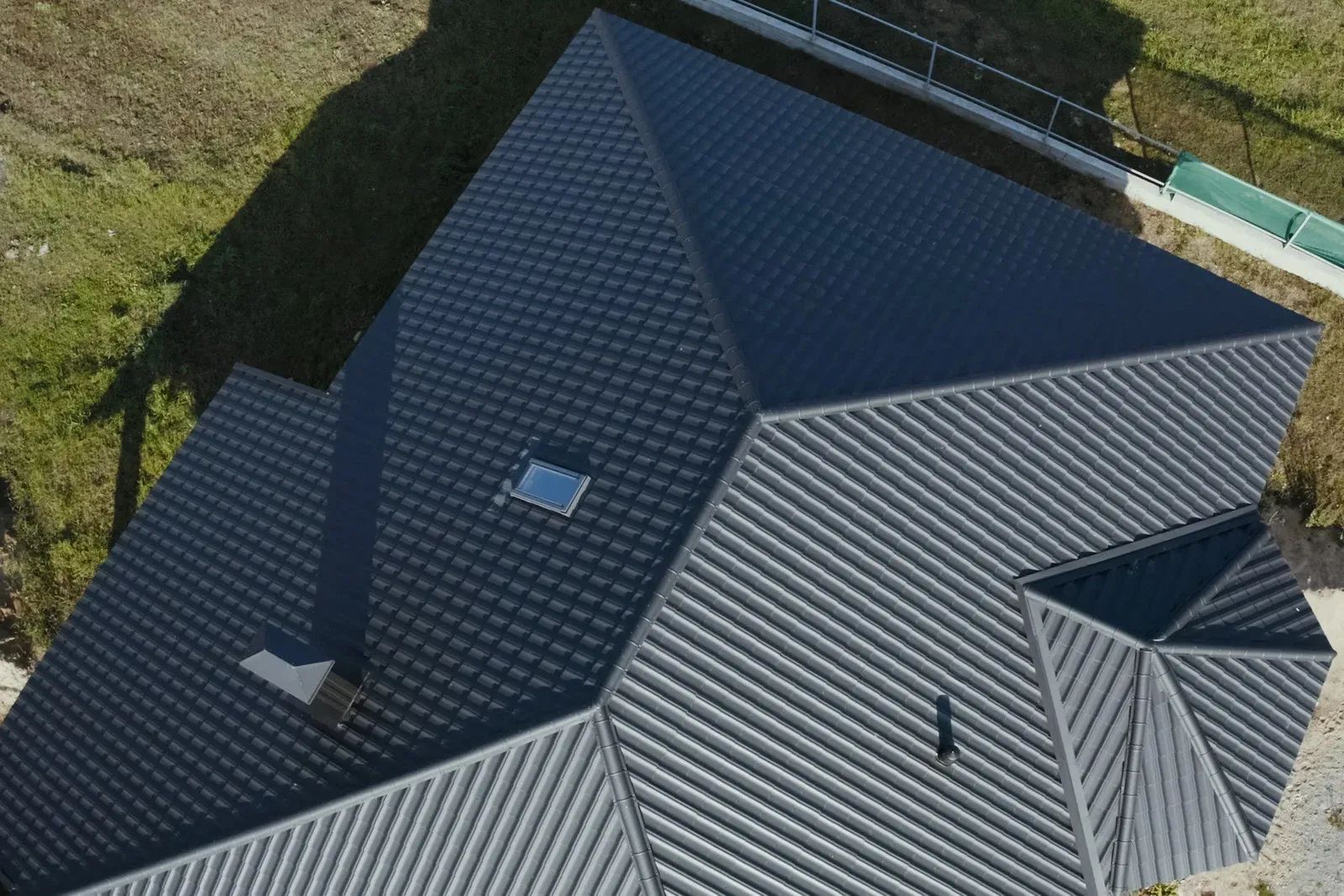
From the ground, look for metal that appears bent, rusted, or pulled away from a wall. Inside, leaks near a fireplace, skylight, or the corner where a second-story wall meets a lower roof almost always point back to flashing. Repairing flashing and the sealant around these transition points is one of the most frequent fixes we handle.
Cracked, Curled, or Missing Shingles
Shingles are your roof's first line of defense, and Florida sun is hard on them. Years of UV and heat dry out the asphalt, causing shingles to become brittle, curl at the edges, and shed the protective granules that shield them from the sun. Once a shingle curls or cracks, it no longer lies flat and tight, and water can work underneath it.
Wind is the other half of the problem. Strong gusts lift and flex shingles, breaking the adhesive seal that holds each course down. A shingle that lifts even slightly lets wind-driven rain blow under it and onto the underlayment. If that underlayment is also aging, water reaches the wood decking and finds its way inside.
Missing shingles are the obvious version of this problem, often the aftermath of a storm. But the sneakier version is the shingle that is cracked or curled but still in place. You may not spot it from the driveway, yet it leaks a little more with every rain. Heavy granule loss showing up in your gutters is an early warning that your shingles are wearing thin. We replace cracked, curled, lifted, and missing shingles and blend the repair into the surrounding area so the roof sheds water as it should.
TIP: After a big storm, walk your property and look up at the roof from a few angles before the next rain. Shingles that look darker in patches, lie unevenly, or are simply gone are worth having checked. Spotting a lifted shingle early is far easier than tracing where the water ended up inside.
Worn Pipe Boots and Vent Collars
Every plumbing vent stack that pokes through your roof is sealed with a boot, usually a metal base with a rubber collar that hugs the pipe. That rubber is one of the first things Florida sun destroys. Under constant UV, the collar hardens, cracks, and splits, often within a decade, sometimes sooner. Once it cracks, water runs straight down the pipe and into the ceiling below.
Pipe boot leaks are deceptive because the failure is small and high up, and the stain inside can appear several feet away from the vent itself. If you have a ceiling stain in a bathroom, kitchen, or hallway with no obvious cause above it, a cracked vent boot is a prime suspect. The fix is simple once the source is confirmed, but the boot has to be identified as the culprit first, which is where a close look at every penetration pays off.
Debris-Clogged Valleys and Drainage
A roof valley is the channel where two slopes meet, and it carries a huge volume of water during a Florida downpour. That makes valleys both critical and vulnerable. When leaves, twigs, and shingle granules collect in a valley, they dam up the flow. Water then backs up, spreads sideways under the shingles on either side, and slips past the point where the roof was designed to shed it.
The same backup problem shows up when gutters clog. Water that cannot drain rises at the roof edge and works its way back under the first course of shingles and behind the fascia. In our climate, where a single storm can dump inches of rain in an hour, drainage that is even partially blocked gets overwhelmed fast. Keeping valleys and gutters clear is one of the simplest ways to prevent leaks, and restoring proper water flow is part of the drainage repairs we handle.
Debris-Clogged Valleys and Drainage
A roof valley is the channel where two slopes meet, and it carries a huge volume of water during a Florida downpour. That makes valleys both critical and vulnerable. When leaves, twigs, and shingle granules collect in a valley, they dam up the flow. Water then backs up, spreads sideways under the shingles on either side, and slips past the point where the roof was designed to shed it.
The same backup problem shows up when gutters clog. Water that cannot drain rises at the roof edge and works its way back under the first course of shingles and behind the fascia. In our climate, where a single storm can dump inches of rain in an hour, drainage that is even partially blocked gets overwhelmed fast. Keeping valleys and gutters clear is one of the simplest ways to prevent leaks, and restoring proper water flow is part of the drainage repairs we handle.
Deteriorated Sealant and Exposed Nails
Sealant does a lot of quiet work on a roof, filling the small gaps around vents, flashing edges, and fasteners that shingles and metal alone cannot close. Like the rubber on a pipe boot, sealant is no match for years of Florida UV. It shrinks, cracks, and pulls away from the surfaces it was holding together, reopening the very gaps it was meant to seal.
Exposed or backed-out nails are a related weak point. As decking and shingles move through heat cycles, nails can work their way up and pop through the shingle above them. Each exposed nail head is a tiny hole in your roof, and while the original installation may have covered it with sealant, that sealant eventually fails too. Individually these are small openings, but a roof has a lot of fasteners, and water only needs one reliable path. Refreshing failed sealant and addressing popped nails closes off a category of leaks that homeowners almost never spot on their own.
Warning: Do not rely on a tube of hardware-store caulk as a long-term roof fix. Smearing sealant over a stain or a suspicious spot can hide the real source for a while, but it traps moisture, complicates the eventual repair, and often lets the leak keep spreading behind the patch. Sealant belongs at specific, prepared joints, not as a blanket cover-up for an unknown problem.
Cracked or Slipped Tiles
Tile roofs are common in Central Florida and hold up well against sun and heat, but they leak in ways that surprise homeowners. The tiles themselves are not fully waterproof. The real water barrier is the underlayment beneath them, and the tiles mainly protect that layer from the sun. When a tile cracks from foot traffic, falling debris, or a storm, or when a tile slips out of position, the underlayment underneath gets exposed to direct UV and rain.
Once that underlayment dries out and fails, water passes right through to the decking, even though the tile field still looks intact from the street. This is why a tile roof can look flawless and still leak. Cracked, broken, and slipped tiles need to be addressed before the underlayment beneath them gives out, and any exposed underlayment needs attention quickly given how fast our sun degrades it.
How to Tell Where a Leak Is Coming From
Because water travels before it drips, finding the true source takes more than looking at the stain. A few things help point the way. Note which storms trigger the leak: a leak that only appears with wind from one direction usually means wind-driven rain is exploiting a specific edge or flashing joint. Check the attic with a flashlight during or right after rain to trace wet trails back uphill to their entry point. And pay attention to timing: a stain that grows in dry weather points toward condensation rather than a roof breach.
Still, roofs are steep, hot, and unforgiving, and many leak sources hide under shingles or tiles where they cannot be seen from below. A professional inspection checks every flashing joint, penetration, valley, and seam methodically, so the actual source gets fixed rather than the spot where the water happened to show up.
Frequently Asked Questions
What is the most common cause of roof leaks in Florida homes?
Failed flashing is the leading cause. Metal and sealant around chimneys, skylights, walls, and valleys loosen and crack with heat, letting wind-driven rain inside. Worn pipe boots and damaged shingles are also common leak sources.
Why does my roof only leak when it rains hard or the wind blows a certain way?
Wind-driven rain often enters through lifted shingles, flashing gaps, or worn pipe boots. During light rain, water sheds normally, but strong winds force it into vulnerable areas that otherwise remain protected from moisture.
Can a roof leak even if no shingles are missing?
Yes. Cracked or curled shingles, failed flashing, worn pipe boots, deteriorated sealant, popped nails, and clogged valleys can all cause leaks. Tile roofs may also leak even when every tile appears intact from below.
How does Florida's climate make roof leaks worse?
Florida's intense UV, heavy rain, and constant humidity accelerate roof deterioration. Heat damages shingles and sealants, wind-driven rain penetrates vulnerable joints, and moisture keeps leaks active longer, increasing the risk of mold and structural damage.
Should I try to seal a roof leak myself?
Applying caulk over a suspected leak rarely solves the problem. It often hides the true source, traps moisture, and allows damage to continue. Finding and repairing the actual entry point provides the most reliable long-term solution.
How quickly should I address a small roof leak?
As soon as possible. Florida's humid climate prevents trapped moisture from drying quickly, allowing even small leaks to damage decking, insulation, and ceilings while encouraging mold growth if repairs are delayed.
Understanding Roof Leaks Before They Grow
Roof leaks may seem unpredictable, but they usually originate from a handful of common failure points. Florida's intense sunlight, heavy rain, strong winds, and year-round humidity accelerate wear on flashing, shingles, pipe boots, sealants, roof valleys, and other vulnerable areas. Recognizing these warning signs early can help prevent minor moisture intrusion from developing into more extensive damage to your roof structure and home's interior.
With 15 years of experience, Amtek Roofing LLC has helped homeowners across DeBary, Florida, understand how local weather conditions affect their roofs over time. Knowing where leaks commonly begin and why they occur makes it easier to address potential issues before they escalate, supporting a longer-lasting, more reliable roofing system through every season.