What Homeowners in DeBary Should Expect During a Residential Roofing Installation?
A residential roofing installation is one of the most important upgrades a homeowner can make to protect a property from weather damage, structural deterioration, moisture intrusion, and rising energy costs. In DeBary, Florida, roofing systems face constant exposure to heavy rain, humidity, strong sunlight, seasonal storms, and occasional hurricane activity that gradually weakens shingles, flashing, underlayment, and roof decking over time. Understanding each stage of a roofing project helps reduce stress, improves communication, and allows homeowners to make informed decisions before work starts.
Residential roofing installation involves far more than simply replacing shingles. The process includes inspections, material delivery, property preparation, tear-off procedures, structural evaluations, waterproofing measures, ventilation improvements, and final cleanup. Every phase plays a role in protecting the long-term durability and performance of the roofing system. A properly managed roofing project not only improves curb appeal but also strengthens structural protection, enhances efficiency, and increases overall property value for years ahead.
Preparing for the Roofing Installation Process
Scheduling and Initial Roof Evaluation
Before installation begins, homeowners should expect a detailed roof inspection and project consultation. Roofing professionals evaluate the condition of shingles, flashing, underlayment, decking, ventilation systems, gutters, and drainage patterns to determine the scope of work. During this phase, measurements are taken, materials are selected, and timelines are discussed.
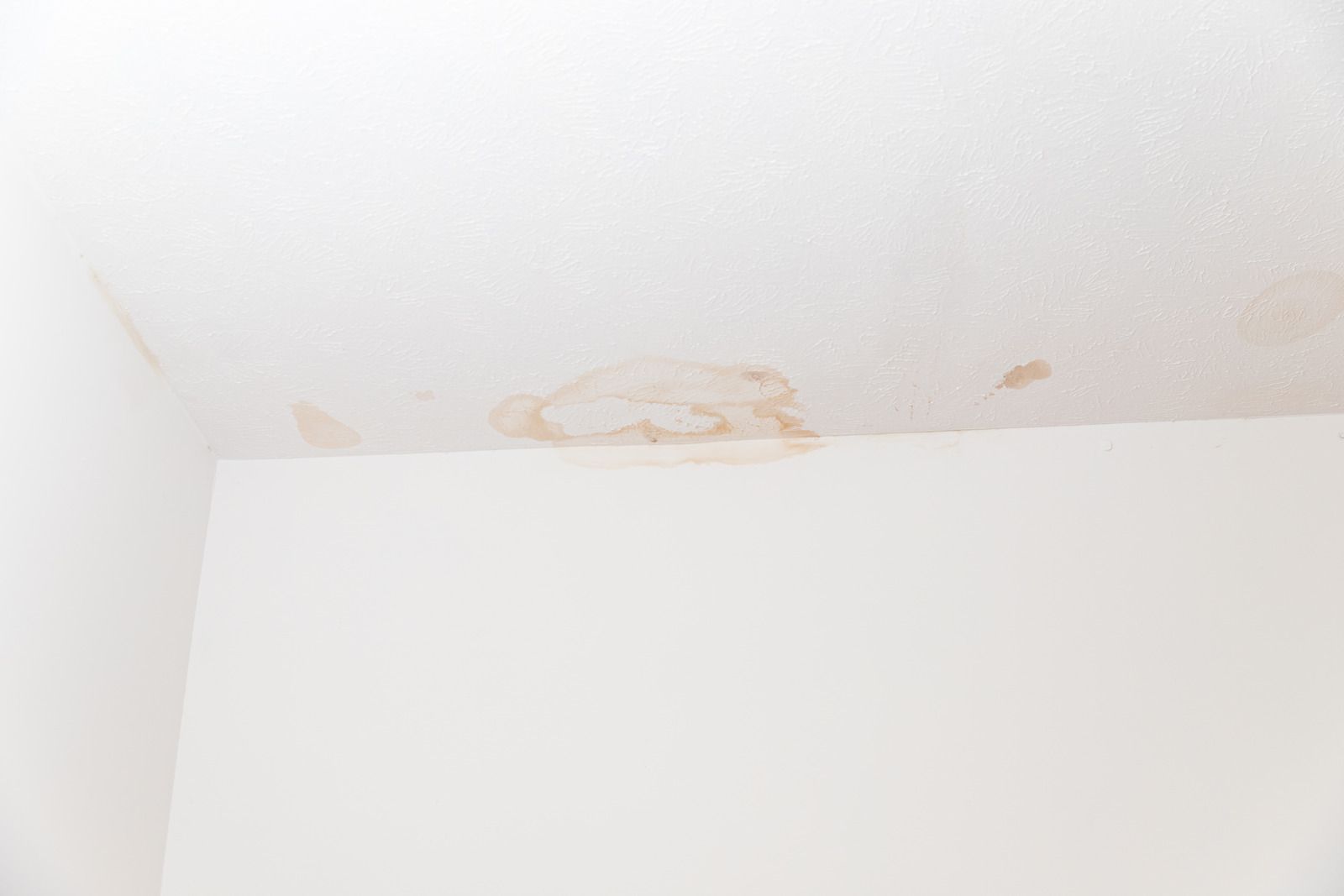
In many residential roofing projects, hidden issues such as water damage, rotted decking, mold growth, or ventilation problems are discovered beneath older roofing materials. Identifying these concerns before installation helps homeowners prepare for potential repairs that may affect project costs or timelines.
Contractors also review local building codes, permit requirements, manufacturer recommendations, and weather considerations. In Florida communities where severe storms and high humidity are common, roofing systems must meet strict performance standards designed to improve durability and wind resistance.
Preparing the Property Before Work Begins
Homeowners should prepare for temporary disruptions around the property during installation days. Roofing crews require access to driveways, surrounding work zones, and material staging areas. Vehicles may need to be relocated to protect them from falling debris or roofing nails.
Outdoor furniture, grills, potted plants, decorative lighting, and fragile items should also be moved away from the home. Vibrations from roofing work can sometimes affect wall decorations or shelving inside the property, so securing fragile interior items is recommended before installation starts.
Pets and children should remain away from active work areas due to noise, equipment movement, and falling materials. Roofing projects involve ladders, power tools, dumpsters, and elevated work zones that require strong safety controls throughout the installation process.
What Happens During Roof Tear-Off and Removal
Removing Existing Roofing Materials
The tear-off phase is often the loudest and most noticeable portion of a roofing installation. Crews remove old shingles, nails, flashing, underlayment, and damaged roofing components to expose the roof deck underneath. This step allows contractors to inspect the structural foundation of the roof before installing new materials.
While some homeowners may wonder whether roofing can be installed over existing shingles, complete removal is often recommended because it allows hidden problems to be identified and corrected. Multiple roofing layers can trap moisture, add unnecessary weight, and reduce long-term roof performance.
Dumpster placement near the property is common during this stage, and debris removal takes place continuously throughout the workday. Professional roofing crews use protective tarps and magnetic cleanup tools to minimize the spread of nails and debris around landscaping and walkways.
Inspecting the Roof Deck for Damage
Once the old roofing materials are removed, contractors inspect the decking for structural concerns. Florida weather conditions frequently expose roofing systems to moisture infiltration, heat expansion, and storm-related deterioration that weakens plywood or wooden decking over time.
If soft spots, rotted wood, or water damage are found, replacement sections are installed before the new roofing system is applied. Although homeowners sometimes worry about additional repair costs during this stage, correcting these issues protects the structural integrity of the roof and prevents future problems after installation.
Skipping damaged decking repairs may lead to sagging sections, leaks, shortened roof lifespan, and premature roofing failure. Addressing structural concerns during installation supports long-term durability and helps maintain manufacturer warranty compliance.
Installing Protective Roofing Components
Underlayment and Waterproofing Systems
After the roof deck passes inspection, waterproofing materials and underlayment systems are installed. These components act as secondary barriers against water intrusion beneath shingles or roofing materials. In storm-prone regions, high-quality underlayment plays an important role in protecting homes during heavy rain and wind-driven moisture conditions.
Ice and water shields may also be applied around vulnerable areas such as valleys, roof penetrations, chimneys, vents, and flashing transitions. Although Florida rarely experiences freezing conditions, moisture protection remains essential because prolonged humidity and severe rainfall can expose weak roofing areas over time.
Proper waterproofing installation helps reduce the risk of hidden leaks, attic moisture buildup, insulation damage, and interior ceiling staining. Homeowners should expect roofing professionals to pay close attention to seams, fasteners, and transition points throughout this phase.
Ventilation Improvements and Energy Performance
Residential roofing installation also provides an opportunity to improve attic ventilation and overall energy efficiency. Poor ventilation contributes to heat buildup, trapped moisture, increased cooling costs, and premature roofing material deterioration.
Contractors may recommend ridge vents, soffit vents, attic fans, or ventilation upgrades to improve airflow throughout the roofing system. Balanced ventilation helps regulate attic temperatures while reducing strain on HVAC systems during Florida’s long periods of heat and humidity.
Homeowners often notice lower indoor temperatures and improved comfort after ventilation improvements are completed. Proper airflow also helps reduce moisture accumulation that may contribute to mold growth or wood deterioration inside attic spaces.
The New Roof Installation Phase
Installing Shingles and Roofing Materials
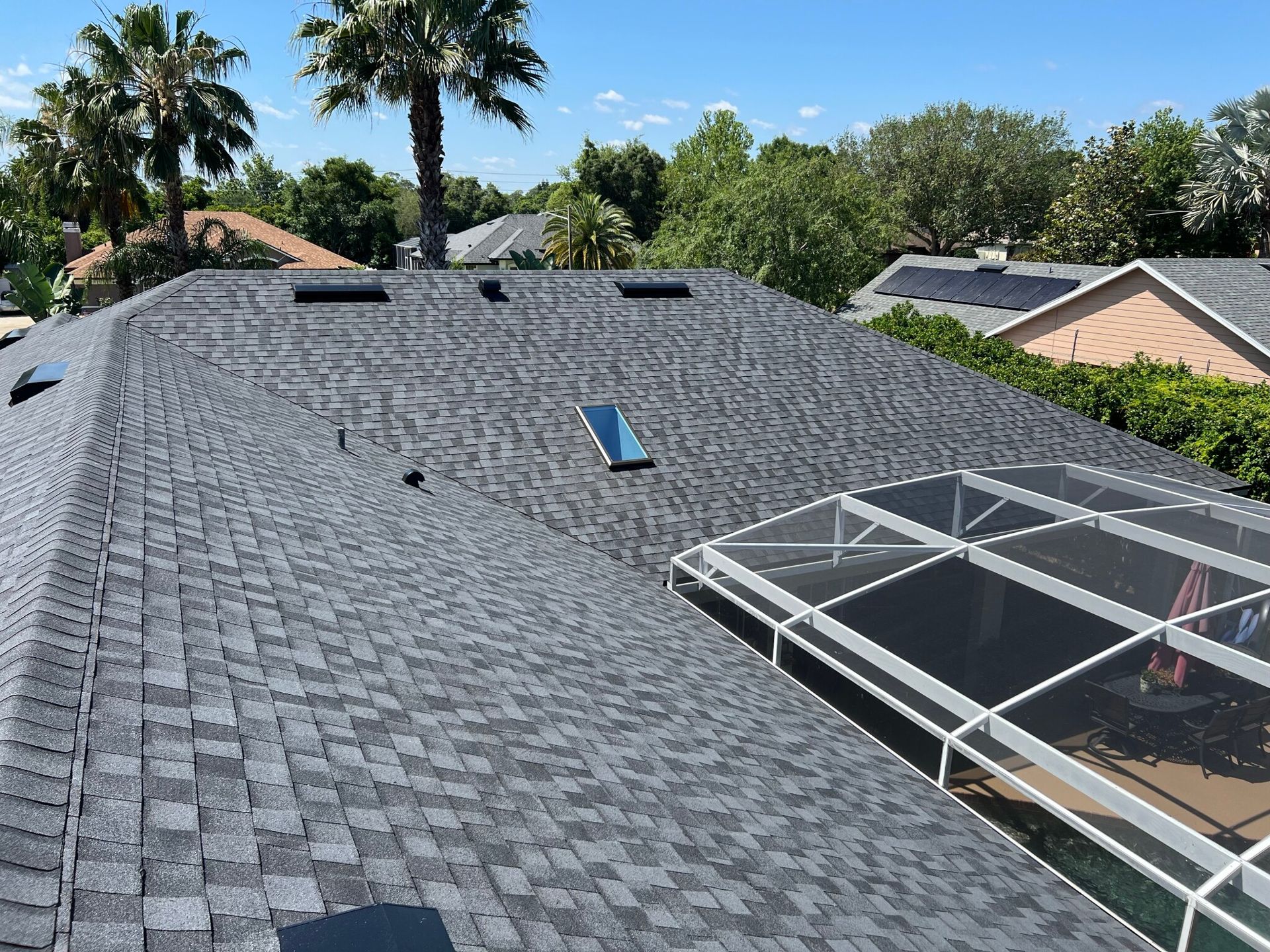
Once protective barriers are installed, crews begin placing the primary roofing materials. Asphalt shingles remain one of the most common residential roofing choices due to durability, affordability, weather resistance, and design flexibility. However, some homeowners may choose architectural shingles, metal roofing, tile systems, or specialty materials depending on budget and aesthetic preferences.
Roofing installation follows a carefully planned sequence that includes starter shingles, alignment patterns, fastening methods, ridge cap installation, flashing integration, and waterproof sealing techniques. Proper installation methods are critical because even high-quality materials can fail if incorrectly applied.
Roofing crews work section by section to maintain installation accuracy and protect exposed areas from unexpected weather changes. In Florida climates where afternoon storms are common, experienced roofers monitor forecasts closely and secure vulnerable areas whenever weather conditions shift.
Managing Noise, Safety, and Daily Workflow
Homeowners should expect significant noise levels throughout active roofing days. Nail guns, material movement, hammering, and debris removal create ongoing construction sounds that may affect daily routines. Individuals working remotely from home may want to plan alternate work arrangements during major installation phases.
Professional roofing crews follow strict safety protocols involving harness systems, protective equipment, ladder stabilization, debris control, and perimeter safety monitoring. Homeowners should avoid entering work zones or climbing onto the roof during installation, even for brief inspections.
Communication remains important throughout the project. Contractors typically provide updates regarding timelines, weather delays, material deliveries, inspection schedules, and any unexpected structural findings. Strong communication helps homeowners remain informed while minimizing confusion during the installation process.
Final Inspection, Cleanup, and Project Completion
Thorough Cleanup and Property Protection
Cleanup is one of the most important final stages of a roofing installation. Professional roofing contractors remove leftover materials, dispose of debris, sweep for nails, and inspect surrounding landscaping areas before project completion.
Magnetic rollers are commonly used across lawns, driveways, and walkways to collect loose nails that may remain after tear-off procedures. Tarps and protective coverings are also removed carefully to avoid damaging plants, patios, or outdoor surfaces.
Homeowners should walk around the property with the contractor after installation to review completed work and address any concerns. This walkthrough provides an opportunity to verify cleanup quality, inspect finished roofing areas, and discuss maintenance recommendations moving forward.
Warranty Information and Long-Term Maintenance
After installation is complete, homeowners typically receive warranty documentation covering roofing materials and workmanship. Understanding warranty coverage is important because different roofing products offer varying protection periods and maintenance requirements.
Contractors may also provide guidance regarding roof maintenance practices, gutter cleaning schedules, attic ventilation monitoring, storm inspections, and signs of potential future issues. Routine inspections after severe weather events can help identify minor concerns before they develop into costly repairs.
A newly installed roof represents a long-term investment in property protection and structural security. With proper installation and maintenance, residential roofing systems can provide decades of reliable performance while improving energy efficiency, curb appeal, and home value.
Dedicated Roofing Contractors Providing Long-Term Property Protection
A residential roofing installation is a major investment that directly affects the safety, durability, appearance, and value of a home. Homeowners in DeBary should expect a process that includes detailed inspections, tear-off procedures, structural evaluations, waterproofing installation, ventilation improvements, material placement, and thorough cleanup. Understanding what happens during installation allows homeowners to prepare their property, manage expectations, and communicate more confidently throughout the project timeline.
For homeowners seeking dependable roofing services, Amtek Roofing LLC
provides professional residential and commercial roofing solutions backed by 15
years of industry experience in DeBary, Florida. We understand the challenges Florida weather places on roofing systems and approach every project with attention to craftsmanship, safety, structural protection, and long-term reliability. From inspections and roof replacement planning to installation and final cleanup, our focus remains on delivering quality workmanship and durable roofing systems designed for lasting protection. We believe homeowners deserve clear communication, honest guidance, dependable scheduling, and roofing solutions that support both comfort and property value.